
Plant-Based Power: Is pea protein better than whey?
By James Baxendale on 29 April 2026
The South African plant-based supplement market is undergoing a massive shift, with projections suggesting it will reach R1.5 billion by the end of 2026. This growth marks a transition from a niche dietary choice to a mainstream strategy for local athletes. While whey protein has long been the standard for recovery, many are now questioning if pea protein has finally caught up in terms of performance and value.
Local athletes looking to explore these options will find that the South African market is now well-supported by both domestic and international brands. Labels like Phyto Pro and Enduren have gained significant traction within the endurance community, while established giants like USN and Biogen have introduced plant-based ranges to compete with premium imports like Nuzest. This variety has made plant-based recovery more accessible than ever before.
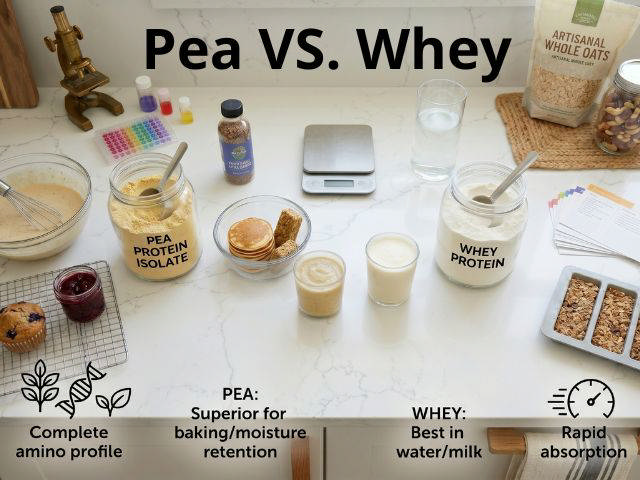
From a scientific perspective, the historical preference for whey was largely based on its high score on the digestible indispensable amino acid scale and its rapid absorption. Whey is naturally rich in leucine, the primary trigger for muscle protein synthesis. However, research conducted over the last few years has shown that the gap is much smaller than previously thought. While whey absorbs faster, pea protein provides a sustained release of amino acids that is remarkably effective for muscle repair. For an athlete meeting their total daily protein requirements, the difference in recovery outcomes between the two is often negligible.
The environmental and ethical considerations provide a much clearer distinction. Peas are nitrogen-fixing crops, meaning they naturally improve soil health and require far less water than the dairy production necessary for whey. This makes pea protein a significantly more sustainable choice for those looking to reduce their carbon footprint. Furthermore, many athletes find that pea protein is easier on the digestive system. Because it is hypoallergenic and free from lactose, it avoids the bloating or discomfort that some experience with dairy-based supplements during heavy training blocks.
When it comes to daily use, the two proteins offer very different experiences in the kitchen. Whey is prized for its creamy texture and ability to blend smoothly into water or shakes. Pea protein is naturally thicker and has a slightly more earthy profile, which some may find an adjustment. However, this density makes pea protein a far better ingredient for baking. While whey can become rubbery when heated, pea protein maintains moisture, making it excellent for high-protein pancakes or homemade recovery bars.
Financially, the landscape is also changing. While premium whey isolates remain expensive due to complex processing and dairy market fluctuations, pea protein offers a more cost-effective alternative. In South Africa, the cost per serving of high-quality pea protein is often lower than that of its whey counterparts, allowing athletes to maintain their nutritional standards without a significant increase in spending. Ultimately, the decision usually comes down to individual digestion and a preference for sustainable sourcing, as the science now confirms that pea protein is a fully capable partner for serious recovery.