
Switching Lanes: A Roadie’s Guide to Gravel Biking
By James Baxendale on 25 September 2026
As a road cyclist, you already have the engine, the endurance, and the handling skills. But if you’re tired of dodging traffic and want to explore the world beyond the tarmac, gravel biking is your next logical step.
Gravel riding sits right in the sweet spot between the raw speed of road cycling and the technical ruggedness of mountain biking. It opens up fire roads, forest paths, and endless unpaved country routes. But before you take your 25mm slick tyres onto the dirt, let's look at what makes a gravel bike different and how to adapt your kit for the trails.
The Anatomy of a Gravel Bike
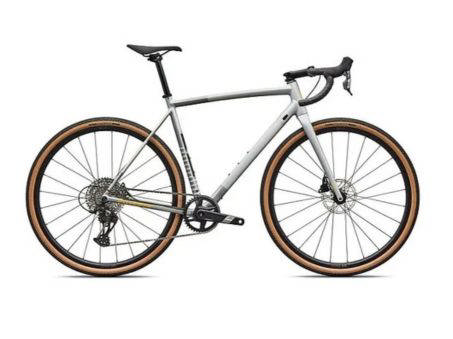
A modern entry-level gravel bike. Source: Cycling News
At first glance, a gravel bike looks like a road bike with beefy tyres. However, the differences run deeper, focusing on stability, comfort, and off-road self-sufficiency.
- Geometry: Gravel bikes feature a more relaxed geometry than an aggressive road racer. They have a slacker head tube angle and a longer wheelbase. This makes the bike less twitchy and much more stable when descending loose, rocky surfaces. The rider position is also slightly more upright, reducing fatigue on long, bumpy days.
- Tyres and Clearance: This is the biggest differentiator. While modern road bikes max out around 30mm to 32mm, gravel frames are built with massive clearance to accommodate 38mm to 45mm (or even wider) knobby tyres. These larger tyres are run at much lower pressures, almost exclusively tubeless, to absorb chatter and provide traction on dirt.
- Gear Mounts and Luggage: Forget stuffing everything into your jersey pockets. Gravel bikes are covered in mounting points (bosses) on the fork, top tube, and down tube. This allows you to mount extra water bottles, bolt-on top tube bags for snacks, or full frame bags for tools and layers.
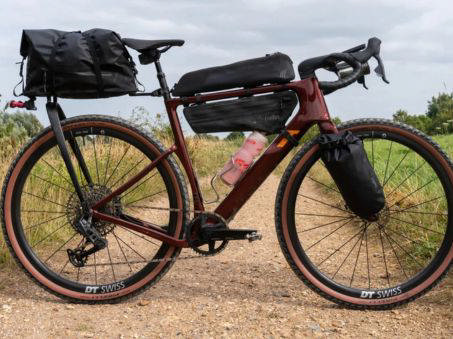
Mounting points allow for bags that keep weight off your back. Source: BikeRadar
Entry-Level Bikes to Consider
If you're looking for a solid starting point that won't break the bank, aluminium frames with reliable off-road groupsets (like Shimano GRX) are the way to go. Look into the Specialized Diverge Base E5, the Trek Checkpoint ALR 4, or the Cannondale Topstone Alloy. They offer the perfect balance of durability and performance for a beginner.
Adapting Your Kit: What to Wear
Coming from the road, you are likely used to aerodynamic, figure-hugging lycra. The good news? You don't have to throw that away. Gravel apparel borrows heavily from road cycling but adds a focus on durability, storage, and all-day comfort.
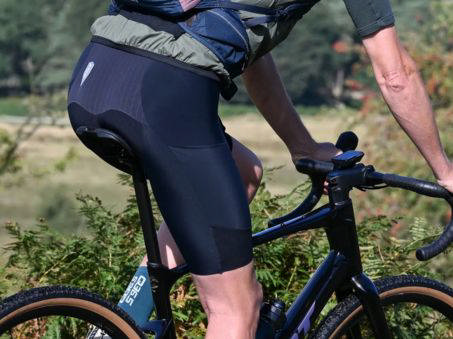
Cargo bibs provide easy-access storage on the move. Source: Cycling Weekly
The Game Changer: Cargo Bib Shorts
If there is one piece of gravel-specific clothing you should invest in, it’s cargo bib shorts. These feature stretch-mesh pockets on the outer thighs and sometimes the lower back. They allow you to keep your phone, gels, or a multi-tool instantly accessible without awkwardly reaching behind your back while navigating a bumpy trail.
Jerseys: Relaxed but Refined
While you can wear loose, mountain-bike-style "baggies," most transitioning roadies prefer something more familiar. Gravel-specific jerseys often feature a "slim but relaxed" fit, flattering and aerodynamic enough, but not skin-tight. Look for merino wool blends (like those from 7mesh or MAAP). Merino provides excellent temperature regulation and natural odour resistance, making it perfect for dusty, sweaty days in the saddle.
Helmets
Your standard road helmet will work perfectly fine to start. However, if you want to upgrade later, gravel-specific helmets often feature a slight peak (visor) to keep dappled forest sun and branches out of your eyes, along with slightly more rear-head coverage for technical descents.
Footwear: Ditch the Road Cleats
Your stiff, smooth-soled road shoes and protruding 3-bolt cleats are a liability on gravel. You will inevitably encounter mud, steep unrideable sections, or cafe stops that require walking. Switch to a 2-bolt SPD pedal system and gravel or cross-country (XC) mountain bike shoes. They feature recessed cleats and rubber treads, allowing you to walk normally while still providing excellent power transfer.
The Essential Gravel Toolkit
Gravel riding takes you further away from bike shops and convenient rescue pickups. Self-sufficiency is critical. Along with your standard spare tube and tire levers, your toolkit needs a few off-road upgrades:
Transitioning to gravel is all about embracing a slightly more relaxed mindset. The average speeds might be lower, but the adventures are exponentially bigger. Pack your cargo pockets, drop your tyre pressure, and go see where the dirt takes you.