
The People Have Spoken: Why the Core Running Community is Rejecting the "Runfluencer"
By James Baxendale on 09 October 2026
In our recent piece unpacking the Elite vs. Influencer sponsorship debate, we asked you, the runners putting in the early morning miles, where sports brands should actually be spending their money. The responses poured in, and the verdict is clear: the core community is growing increasingly frustrated with influencer culture, demanding a return to merit, authenticity, and grassroots support.
When asked who should receive the majority of a sports brand's sponsorship budget, a staggering 61.3% of you voted for the Elite Athlete, prioritizing top-tier excellence and merit. Just over a third (35.5%) opted for a pragmatic 50/50 split, acknowledging that modern brands need both community reach and athletic credibility to survive. The purely influencer-driven model? It received less than 4% of the vote.
Behind these numbers lies a deep well of passion, frustration, and insight. Here is what we learned from your hottest takes.
The Crisis of Authenticity on the Start Line
The most recurring theme in your feedback was a fundamental lack of trust in content creators. You described today's influencers as "fickle," "entitled," and driven entirely by an attention economy.
"The influencer is taking away from dedicated athletes," one reader wrote. "They will disappear as soon as the next thing comes along... Today's influencer is fickle, and unreliable, they thrive on attention and will drop everything when the attention fades."
This lack of authenticity is bleeding into purchasing decisions. The running community is highly educated on gear and performance, and the shiny veneer of a sponsored post is losing its effectiveness. As one runner bluntly put it, "I wouldn't buy a product based on a content creator, but I would based on a real athlete's endorsement." Another noted the absurdity of the current system: "When an influencer unboxes their 20th pair of shoes this year while an elite athlete struggles to afford one, the system is out of step."
"Ducking and Diving": The Cultural Disruption of Racing
It isn’t just about who gets the free shoes; it is about how influencer culture is fundamentally changing the race day experience, and not for the better.
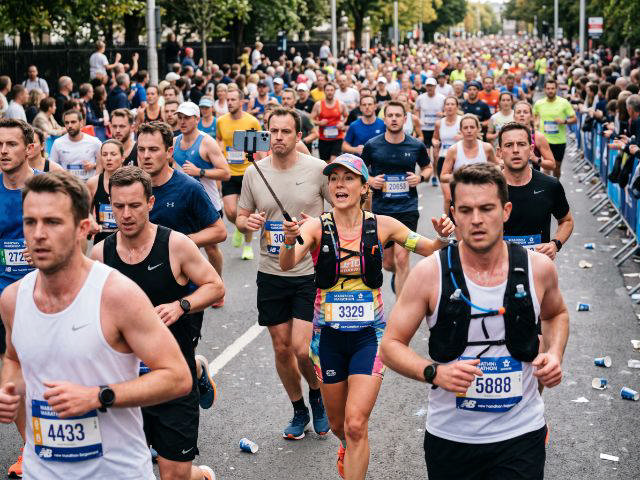
You voiced serious grievances about safety, etiquette, and respect on the course. "Content creators are killing the sport," shared one frustrated runner. "Races aren't as fun 'cause we have to duck and dive cameras and selfie sticks... runners have to duck and dive, it's quite annoying and a growing trend."
Others pointed out that these creators are filming fellow runners without consent, acting "self-absorbed," and potentially taking highly coveted entries away from runners who have dedicated years to qualifying for prestige events like the Comrades and Two Oceans marathons. For many, the perception is that influencers are "taking the difficulty out of completing a marathon by making it seem easy," effectively minimizing the struggle and triumph that defines the sport.
The Pragmatic Middle Ground: Empowering the Elite
Despite the backlash against pure influencers, 35.5% of you recognize the commercial reality: brands need to sell products to keep the lights on. Elites inspire us, but they aren't always relatable to the everyday runner trying to squeeze a 5K into a lunch break.
However, the solution isn't to abandon athletic merit for social media reach. Instead, readers proposed a powerful hybrid approach: brands should bridge the gap by teaching elites how to be creators.
"In the current sports landscape, a hybrid approach may be best," a reader astutely noted. "Brands could instead invest in elite athletes and help them build their social presence, making them more marketable and maximizing the return on that investment. It takes more effort, and more investment in a person, so it doesn't fit neatly into a short-term sales-driven model. But it builds something longer-lasting."
Don't Forget the Grassroots
While the debate heavily focused on the top 1% of elites versus the top 1% of influencers, a crucial third voice emerged from the feedback: the need to support the foundation of the sport.
Readers reminded us that sponsorship dollars shouldn't just go to the fastest or the most famous, but to local development. True community influence comes from "deserving locals without the infrastructure/access to skills and funding," and the "middle of the pack runners that get others off the couch."
The message to running brands is writing itself on the walls of the internet. The everyday runner sees through the manufactured hype, bots, and faked personas. If brands want to build lasting credibility, they need to look past the vanity metrics, back the athletes doing the hard work, and invest in the local communities that actually make the sport what it is.