
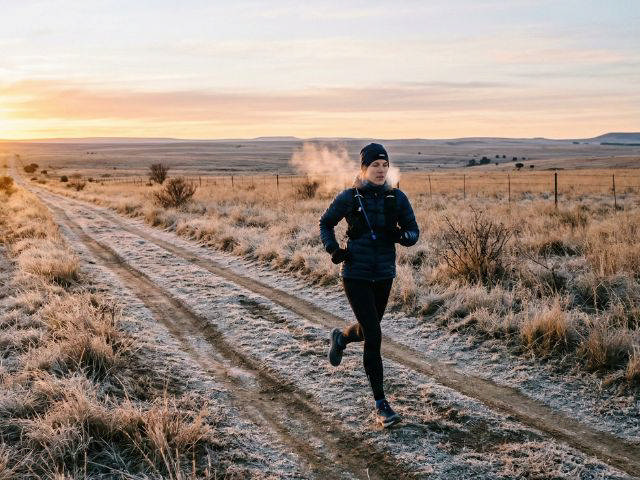
Shifting Seasons & Training For Different Climate Zones
By James Baxendale on 05 March 2026
The Science of "Seasonal Psychology
While we often talk about the "winter blues," seasonal psychology is a rigorous field of study focusing on how light, temperature, and circadian rhythms dictate human potential. At the heart of this is Chronobiology. In the winter, reduced sunlight triggers an overproduction of melatonin and a drop in serotonin, leading to sluggishness and lower cognitive resources.
However, research shows that our brains actually peak at different times of the year. Attention levels typically crest around the Summer Solstice, while working memory—crucial for technical sports—peaks in the Autumn. For an athlete, this means your "mental ceiling" is naturally fluctuating with the calendar.
The "Climate Jump": A Physiological Clash
The challenge intensifies when an athlete travels between geographically diverse locations. Moving from a dry Highveld winter in Johannesburg to a humid subtropical summer in Durban creates a Circadian Clash.
When you jump into a new photoperiod (daylight length), your brain’s internal clock desynchronizes. This "seasonal jet lag" disrupts REM sleep, which is the primary window for muscle repair and motor-skill consolidation. Beyond sleep, the brain also employs Anticipatory Regulation. If you travel from an arid zone (where sweat evaporates instantly) to a tropical zone (where sweat clings to the skin), your brain perceives the rising skin temperature as a critical threat. To protect the heart and organs, the brain will forcibly increase your Rate of Perceived Exertion (RPE), making your standard race pace feel twice as hard.
Navigating South Africa’s 7 Zones
South Africa is a microcosm of global weather, requiring specific strategies for "Zone Jumping":
- Highveld to Coast: Athletes from Gauteng enjoy an "oxygen bonus" at sea level due to higher red blood cell counts. However, they must contend with "thicker" air density and the psychological fatigue of coastal winds.
- Arid to Tropical: In the Northern Cape, you may not feel "wet" because sweat evaporates so fast, masking dehydration. In KZN, the lack of evaporation means your core temp spikes.
- The Alpine Factor: Training in the Drakensberg or Escarpment zones prepares the lungs for altitude but requires a "thawing out" period to regain explosive muscle snap in warmer climates.
Tactical Adaptation for the Competitive Edge
Elite athletes no longer just "show up." They use Passive Heat Acclimation (like sauna sessions) two weeks prior to travel to trick the brain into accepting higher temperatures. They utilize Light Box Therapy to align their circadian rhythms with their destination before they even board a flight.
For the weekend warrior or the professional, the lesson is clear: your environment is not just a backdrop; it is a biological variable. By understanding how the seasons and zones affect your neurochemistry, you can stop fighting your body’s protective instincts and start working with them.