
The Carbon Plate Debate
By James Baxendale on 19 March 2026
Carbon Plates: Fast or Fraud?
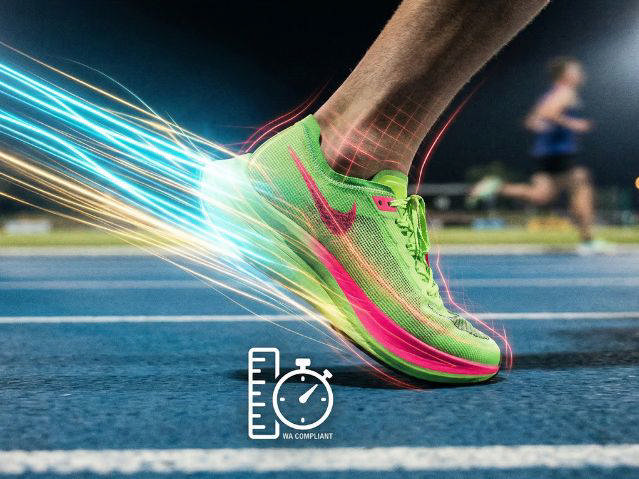
If you have lined up at a local 5K or watched a major marathon recently, you’ve probably noticed the sea of brightly coloured, thick-soled shoes. Carbon-plated running shoes - often called "super shoes" - have completely disrupted the running world.
You don't have to look far to see them in action. On the global stage, athletes like Tigist Assefa have shattered world records wearing the ultra-light Adidas Adios Pro Evo 1, while the Nike Alphafly 3 has become a podium staple for elite marathoners worldwide. Right here at home, local legends are leveraging the exact same tech. Ultra-marathon queen Gerda Steyn relies on the Adidas Adizero Adios Pro 3 to conquer the Comrades and Two Oceans, while South African marathon record-holder Stephen Mokoka laces up the ASICS Metaspeed Ski to compete against the world's best.
But as finish times drop across the board, a debate has sparked: is this natural technological evolution, or is it a form of "mechanical doping"?
The Science: Why They Make You Faster
The magic of a carbon-plated shoe doesn't actually come from the plate alone; it comes from the partnership between the rigid carbon-fibre plate and ultra-light, highly resilient foam (like PEBA).
- Energy Return:The thick layer of foam acts like a highly efficient trampoline.
- The Lever Effect:The carbon plate stabilizes this squishy foam and acts as a lever, propelling your foot forward and reducing the amount of energy your calves and ankles need to expend.
- Faster Recovery: Because the shoes absorb so much impact, runners often report significantly less muscle damage and fatigue after long, hard efforts.
The Verdict from the Authorities
Are they cheating? According to the regulatory bodies, no - but they are strictly regulated.
To prevent a technological arms race that creates an unfair advantage, World Athletics (the international governing body for the sport) stepped in and established strict rules for road running shoes:
As long as the shoes meet these criteria, they are perfectly legal. They represent an evolution in sports technology, much like the transition from heavy leather football cleats to modern synthetic ones.
The Pitfalls: Why You Need to Tread Cautiously
While super shoes—like the popular Saucony Endorphin Pro 4 or the New Balance SuperComp Elite - can undoubtedly shave minutes off your PR, they aren't a magical cure-all. They come with distinct drawbacks that everyday runners need to consider.
- Biomechanical Shifts:Carbon plates alter your natural running mechanics. The rigid plate takes the workload off your feet and calves but shifts that stress further up your leg to your knees and hips.
- Injury Risks: Relying on carbon-plated shoes for all your training runs can lead to weakened foot and ankle muscles. Furthermore, the aggressive rocker shape can aggravate issues like plantar fasciitis or Achilles tendinopathy if your body isn't adapted to them.
- Cost and Lifespan: Super shoes are expensive, and the highly responsive foam degrades quickly. Most pairs lose their "magic" after just 150 to 250 miles.
The Bottom Line
Carbon-plated shoes aren't a fraud, but they do require respect. If you want to leverage their benefits, treat them as a specialized tool rather than your everyday trainer. Do the bulk of your training in a standard, non-plated shoe to build foot strength and resilience, and save the carbon plates for your hardest speed workouts and race day.